
The Heart of Sustainable Surf: Lessons from Fiji’s Tavarua
By Cody Ryan • All About Waste
As someone who works in the waste and sustainability industry, I’m always curious about how different facilities manage their material streams — especially in places where resources and space are limited. So when I traveled to Tavarua, the world-renowned, heart-shaped surf resort in Fiji, my curiosity immediately piqued. Small islands face some of the toughest environmental challenges, and I was eager to see how Tavarua balanced guest experiences with sustainability. What I discovered was far more impressive than I expected.
A Culture of Hospitality and Respect
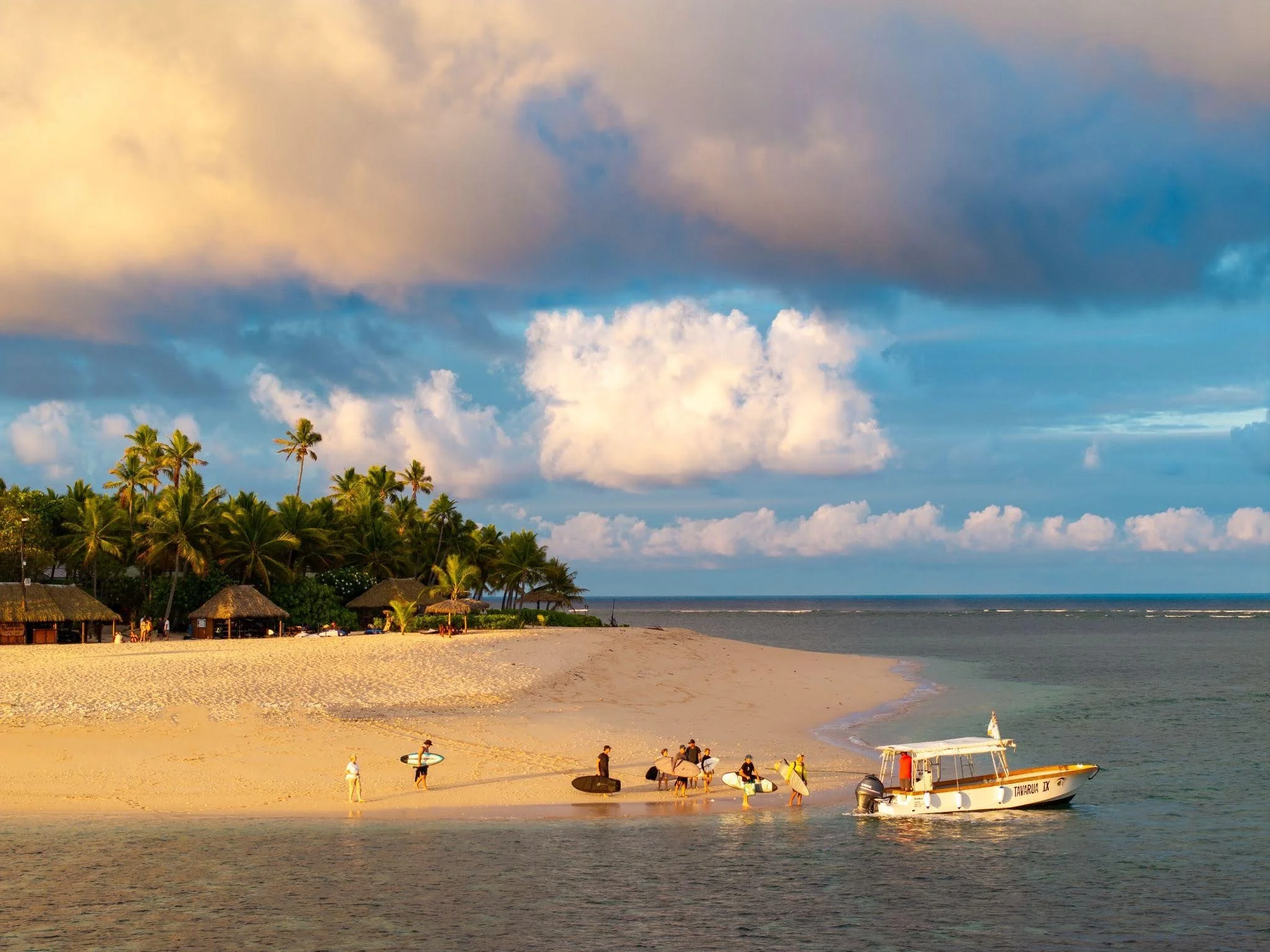
Surfers gather by the water to get on the surf boat. Photo by Scott Winer
From the moment you arrive, it’s clear that Tavarua is more than a surf destination — it’s a living expression of Fijian hospitality and cultural pride. Staff greet visitors with warmth and generosity, making guests feel like part of the community rather than temporary residents. The owners have intentionally embedded this cultural respect into operations, ensuring that sustainability is a reflection of Fijian values of respect, reciprocity, and care for the land (vanua) and sea (waitui).
In many surf tourism destinations around the world, this integration is missing. Overcrowding, poor waste management, and disregard for local traditions have damaged reefs, polluted beaches, and marginalized communities. Tavarua demonstrates a different approach: stewardship and hospitality working together.
Reuse at the Core
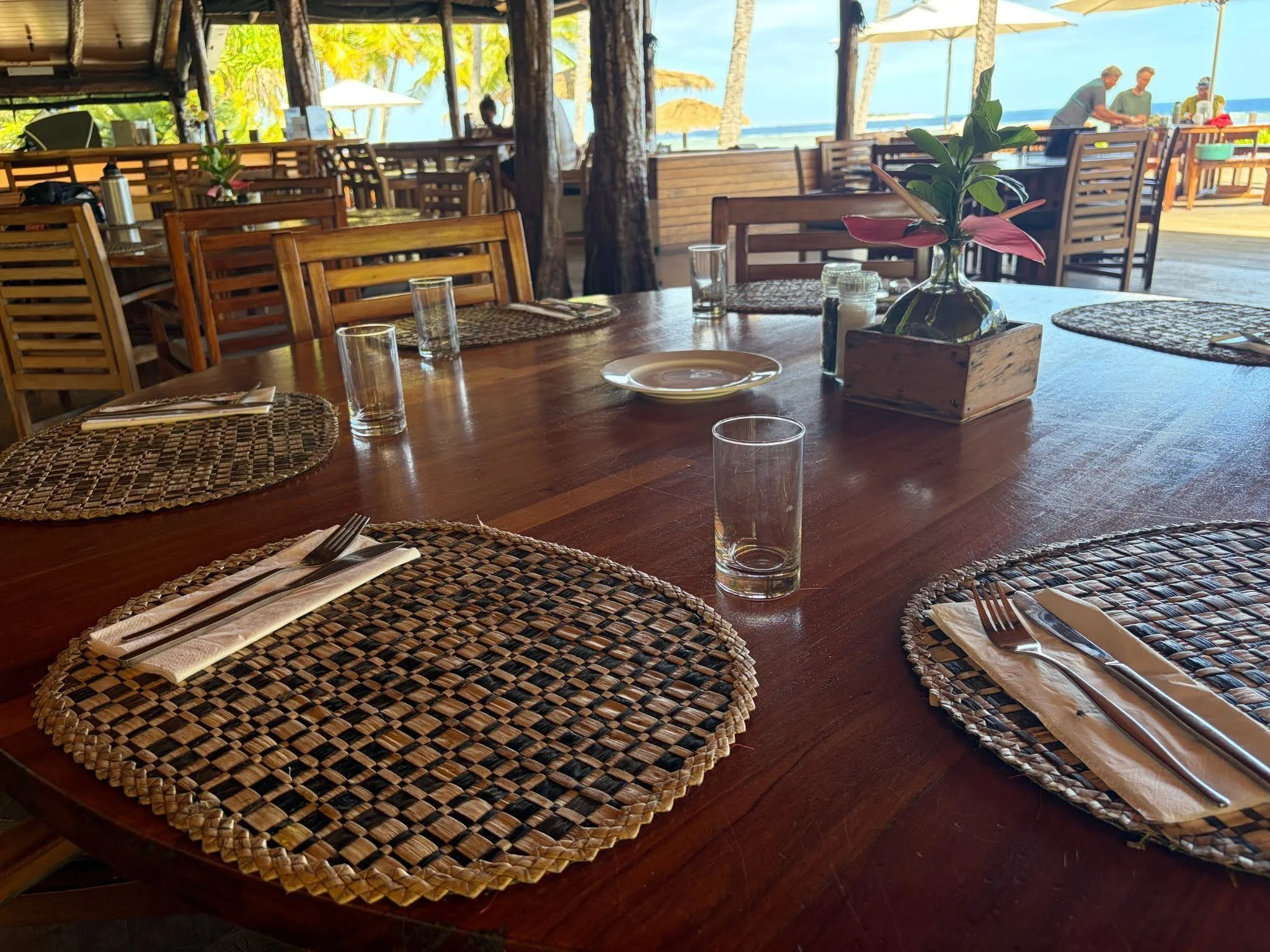
Every plate, cup, and utensil at Tavarua is durable and washable, effectively eliminating single-use plastics from the guest experience. Photo by Scott Winer.
One of the most striking aspects of Tavarua’s sustainability program is the near-elimination of single-use food service items. Every plate, cup, and utensil is durable and washable. Guests are encouraged to bring reusable bottles and are supported by two well-placed filtered water refill stations. Even the surf boats are designed to operate without single-use plastics. Throughout my stay, I didn’t come across a single disposable water bottle.
Managing Waste on an Island
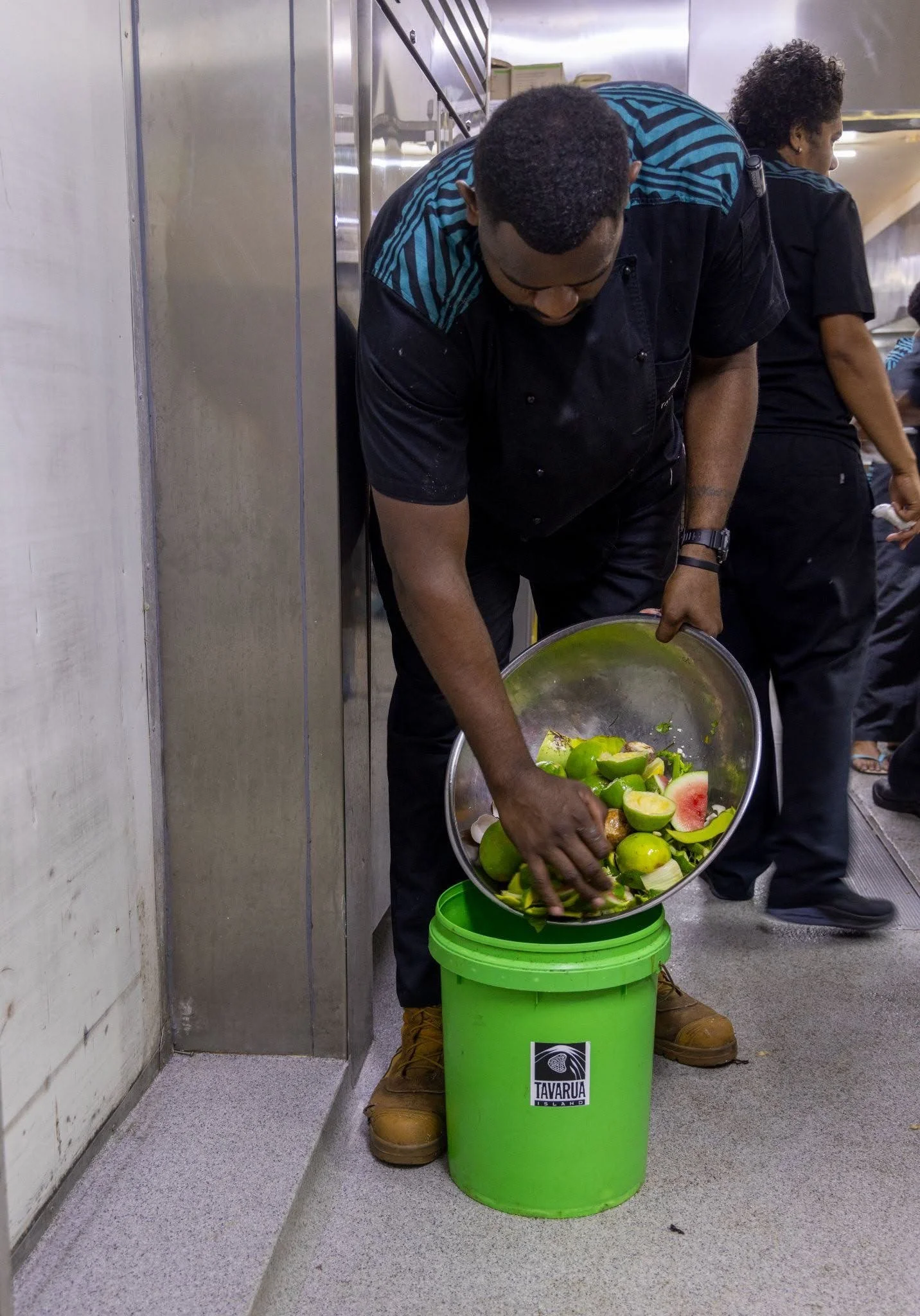
Photo by Scott Winer.
Back-of-house food scraps are collected in reusable buckets and donated to partner farms on the mainland, where they’re used as livestock feed. This practice diverts waste from the island, supports local agriculture, and closes a circular loop in a way that feels intuitive and culturally aligned.
Despite these efforts, some materials cannot be reused on-island. Non-recoverable waste — such as packaging, certain plastics, and non-compostable guest items — is barged off the island and transported to the Laukota Landfill on Viti Levu.
The Laukota Landfill is far from a model facility. It faces common challenges: limited space, aging infrastructure, inconsistent sorting, and constrained recycling capabilities. Publicly available information indicates, however, that operators are actively working to improve processes, capture recyclables, and reduce environmental impacts. By minimizing what reaches the landfill and carefully sorting the waste, Tavarua supports these improvements while keeping its own footprint as small as possible.
Water, Energy, and Smart Resource Use
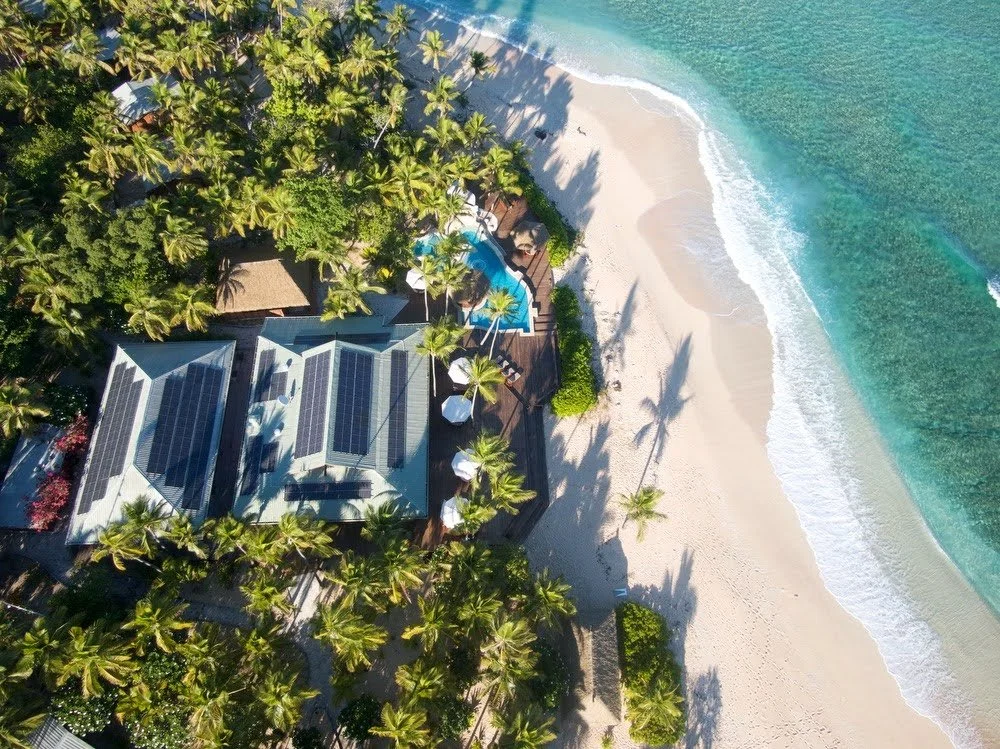
Photo by Scott Winer.
Freshwater is precious on Tavarua. The island relies heavily on rainwater harvesting, funneling roof runoff through filtration systems for drinking, cooking, and cleaning. Solar panels supplement the island’s energy needs, reducing reliance on diesel generators. Every effort reflects careful planning and long-term sustainability, not just convenience.
Restoring the Reef: Clam Regeneration
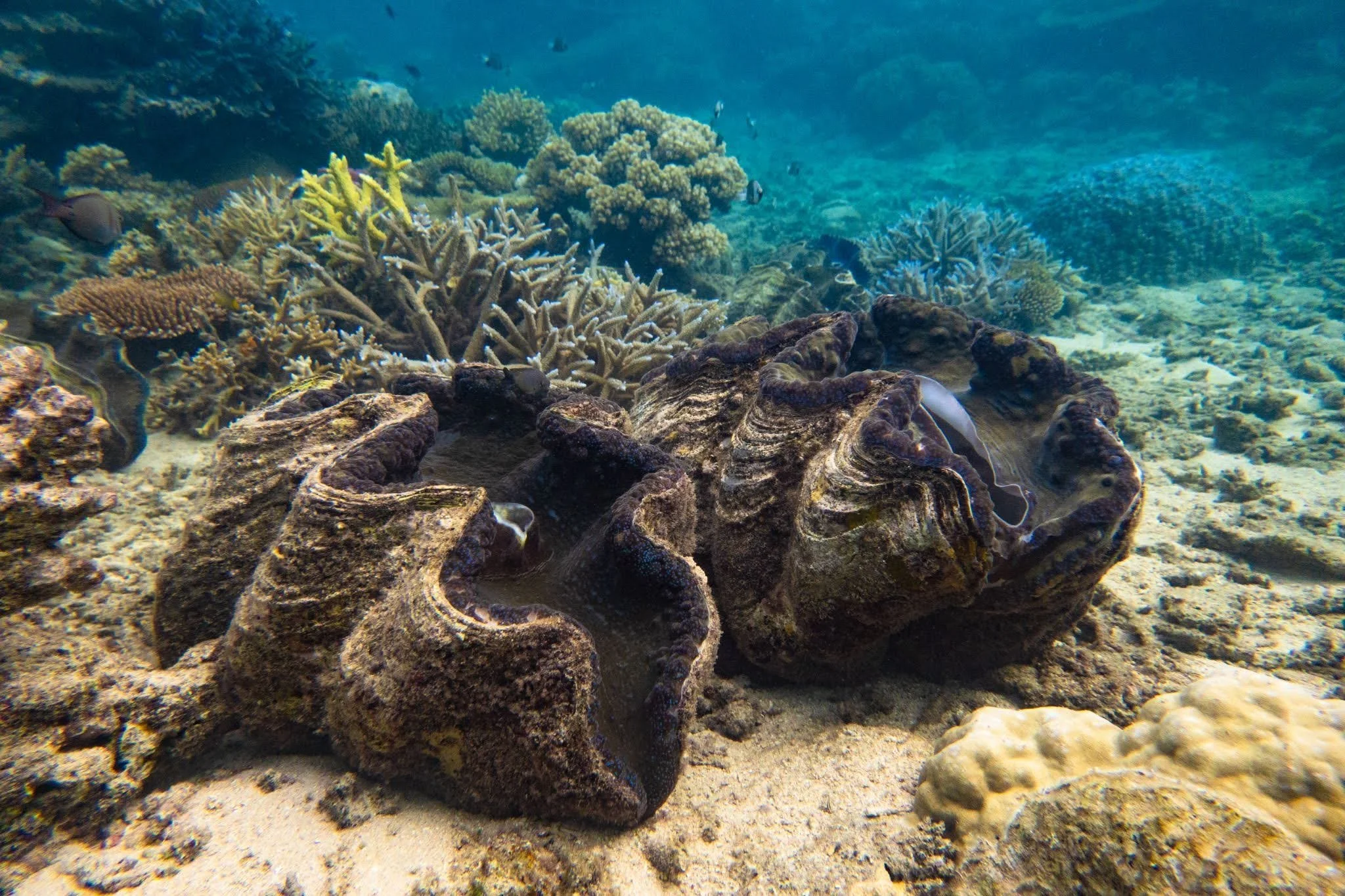
Photo by Scott Winer.
Tavarua is also investing in its marine environment through a giant clam regeneration program. Clams filter water, provide habitat, and support reef health. By raising juvenile clams and returning them to surrounding reefs, Tavarua improves biodiversity and helps the reef withstand climate stressors — a hands-on approach to ecosystem restoration that few other resorts achieve.
Integration of Sustainability and Culture
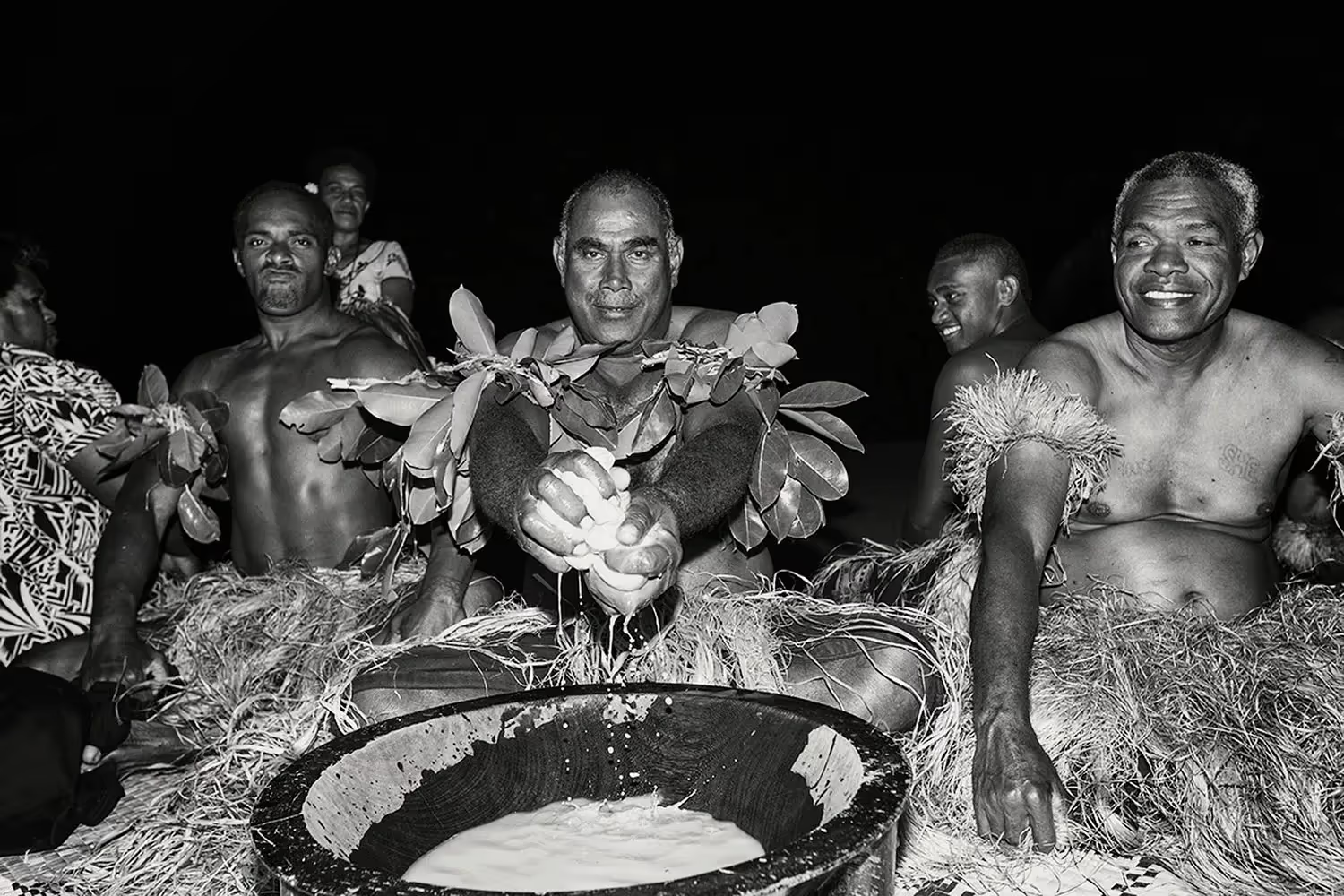
Kava Ceremony. Photo by Scott Winer.
Sustainability on Tavarua is inseparable from cultural respect. Staff speak of the island not as a workplace but as a living ecosystem to care for. Environmental practices — from food waste diversion to reef restoration — are an extension of Fijian values. Guests leave not only with memories of waves and sunsets but with a deeper appreciation for the land, sea, and community that make Tavarua unique.
A Model for Surf Tourism
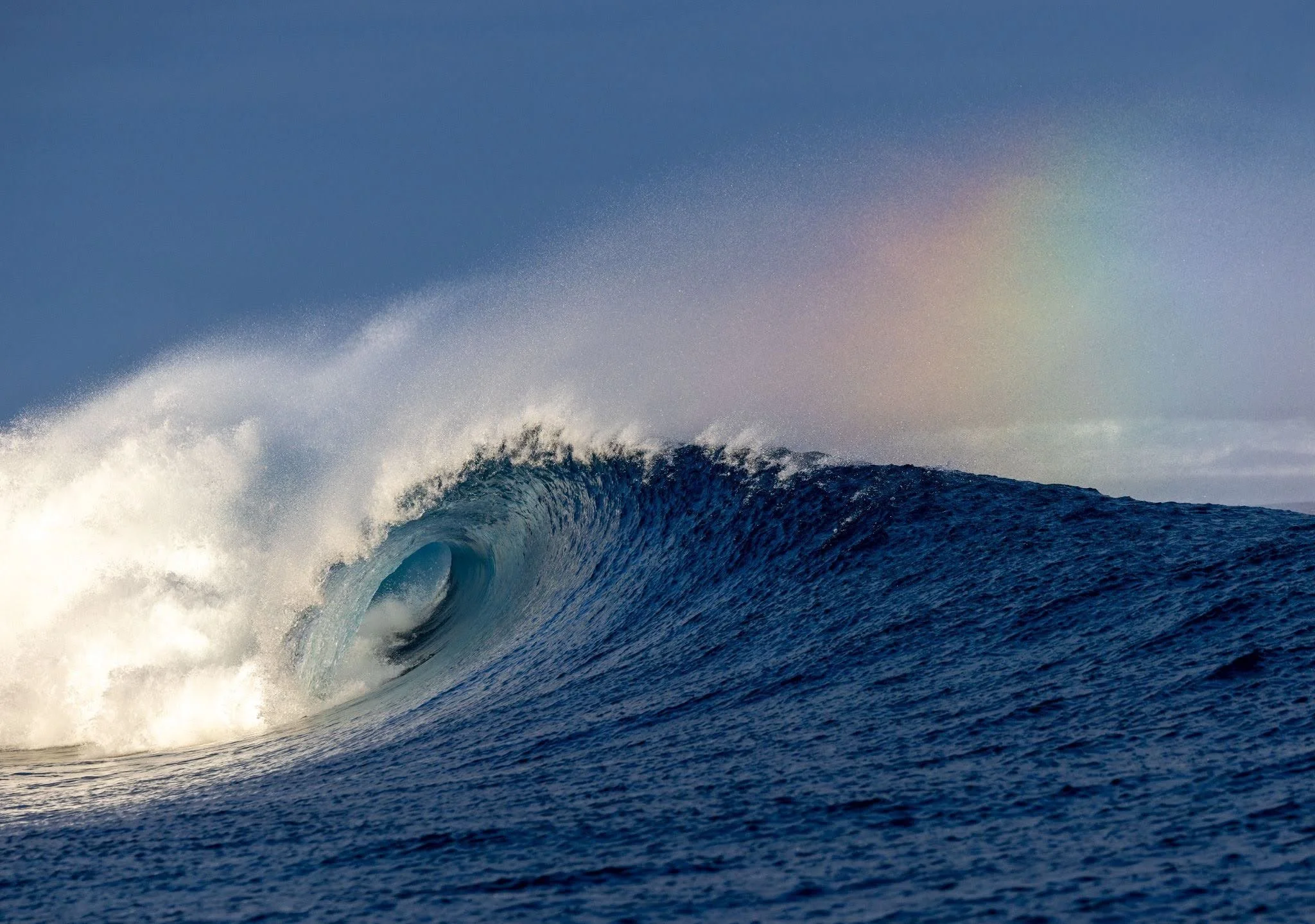
Photo by Scott Winer.
Many surf destinations worldwide have struggled to balance tourism with stewardship, often resulting in degraded reefs, polluted beaches, and cultural displacement. Tavarua demonstrates a different path: sustainability, culture, and hospitality are interconnected, reinforcing one another daily. Waste is minimized, water is conserved, energy is cleaner, and the reef is supported — all while guests enjoy world-class surf and authentic Fijian hospitality.
For sustainability professionals and travelers alike, Tavarua offers an inspiring example. It shows that responsible tourism is possible, even on a small island, when cultural respect, community partnership, and environmental stewardship are prioritized.
Tavarua may be small, but its approach to sustainability is anything but. It serves as a model worth studying, sharing, and celebrating — a reminder that tourism and environmental care can coexist beautifully when intention guides every decision.
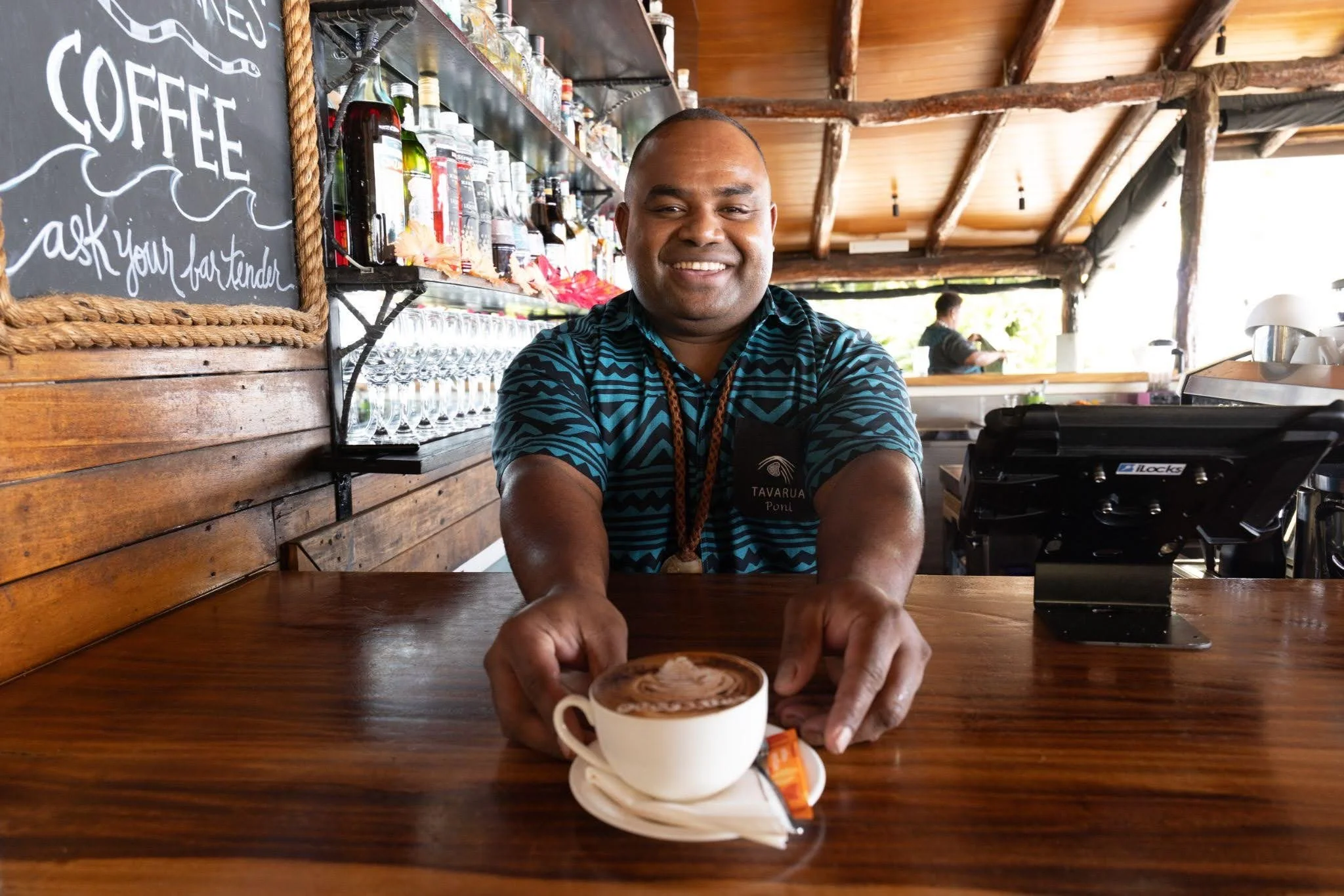
Photo by Scott Winer.