
Role of Artificial Intelligence in Modern Recycling
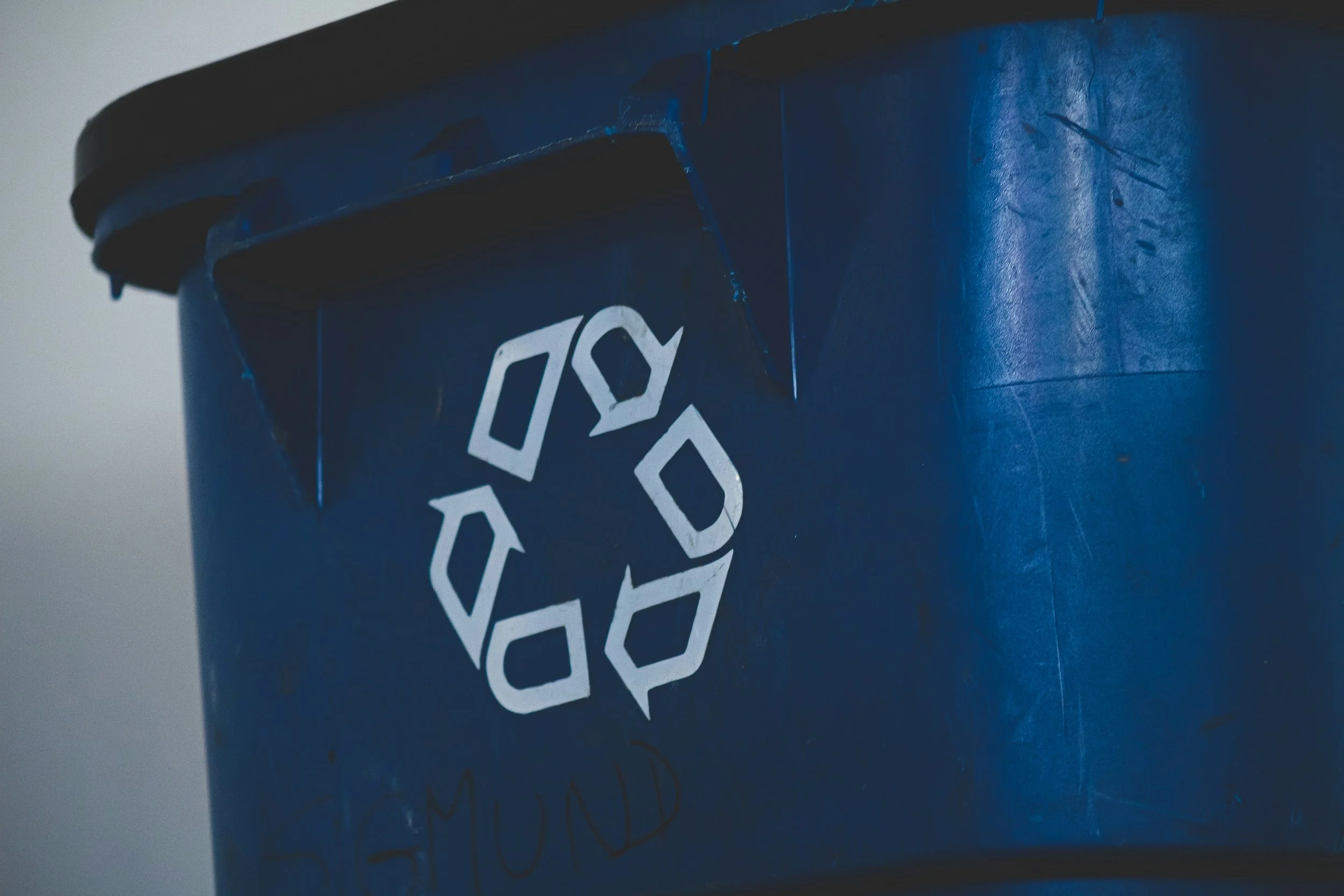
Photo by: Sigmund Boulevard Charest on Unsplash
Written by: Lucia Homer
Recycling is meant to reduce waste and keep useful materials out of landfills, but in reality, it doesn’t always work as well as it should. A lot of recyclable items still get thrown away or contaminated, mostly because sorting everything correctly is difficult. Of the 40 million tons of plastic waste generated in the U.S. last year, only 5-6%—or about two million tons—was recycled. Recently, AI has started to change that by making recycling faster and more accurate, especially when it comes to sorting different types of waste.
How AI is Used in Recycling
In modern recycling facilities, AI is usually combined with cameras, sensors, and robotic systems. Items move along conveyor belts, and cameras scan each object as it passes. Then the AI system analyzes things like shape, color, and material type to figure out what the item is. Once it identifies something, robotic arms step in and sort it into the correct category, like plastic, metal, or paper.
Companies like AMP Robotics, Greyparrot, EverestLabs, and TOMRA provide this technology to waste management companies to automate and improve sorting, and it has shown strong results in terms of speed and accuracy. For instance, AI-powered robotic arms sort up to 160 items per minute, outperforming manual human sorters by 4 to 5 times while achieving up to 95% material identification accuracy.
A related application is the use of AI-powered "smart bins" in public and commercial spaces like offices, airports, universities, and stadiums. These intelligent waste bins, such as Oscar Sort, Ameru, and Bin-e, use AI vision to automatically recognize and sort recyclables from trash at the point of disposal. By providing sorting guidance and recognizing waste, these systems help users dispose of materials correctly, which significantly reduces contamination and supports higher recycling and diversion rates.
Together, these technologies help reduce sorting errors and make recycling more efficient.
Why AI Sorting Helps
One of the biggest improvements AI brings is accuracy. Human sorting can be inconsistent, especially when items look similar or move too quickly. AI systems can scan and identify materials almost instantly, which helps reduce contamination.
It also makes the whole process faster. Since machines don’t get tired, recycling plants can process way more waste in less time. That usually means lower labor costs too, since fewer people are needed for manual sorting.
On top of that, better sorting means more materials actually get recycled instead of being sent to landfills, which is the entire point of recycling.
How the Technology Improves Over Time
What makes AI especially useful here is that it can improve as it learns. These systems use machine learning, which basically means they train on huge amounts of data, like images of different types of waste.
Over time, they get better at recognizing materials, even new or unusual ones. That matters because packaging keeps changing, so recycling systems have to keep up with that in order to sort it correctly.
Downsides and Challenges
Even though AI helps a lot, it’s not perfect. The biggest issue is cost. A single AI recycling robot can cost around $300,000 making it difficult for smaller recycling centers to afford. However, these systems can replace the work of up to four sorting employees and may save facilities $120,000- $200,000 a year in labor costs. Some AI-powered recycling systems can also reduce sorting costs by 30-50% compared to traditional facilities, helping them recover their investment over time.
Another problem is that real recycling waste is messy. Items are often dirty, crushed, or mixed together, which makes it harder for AI to always get things right.
And even with all the technology, humans are still needed to monitor systems and fix problems when they occur.
An AI-Driven Future for Waste
AI is improving how recycling works by making sorting faster and more accurate. It helps reduce contamination, increases efficiency, and allows more materials to actually be reused. Even though there are still some limitations like cost and complexity, AI will be a big part of the future of recycling.